Explore Georgia Tours
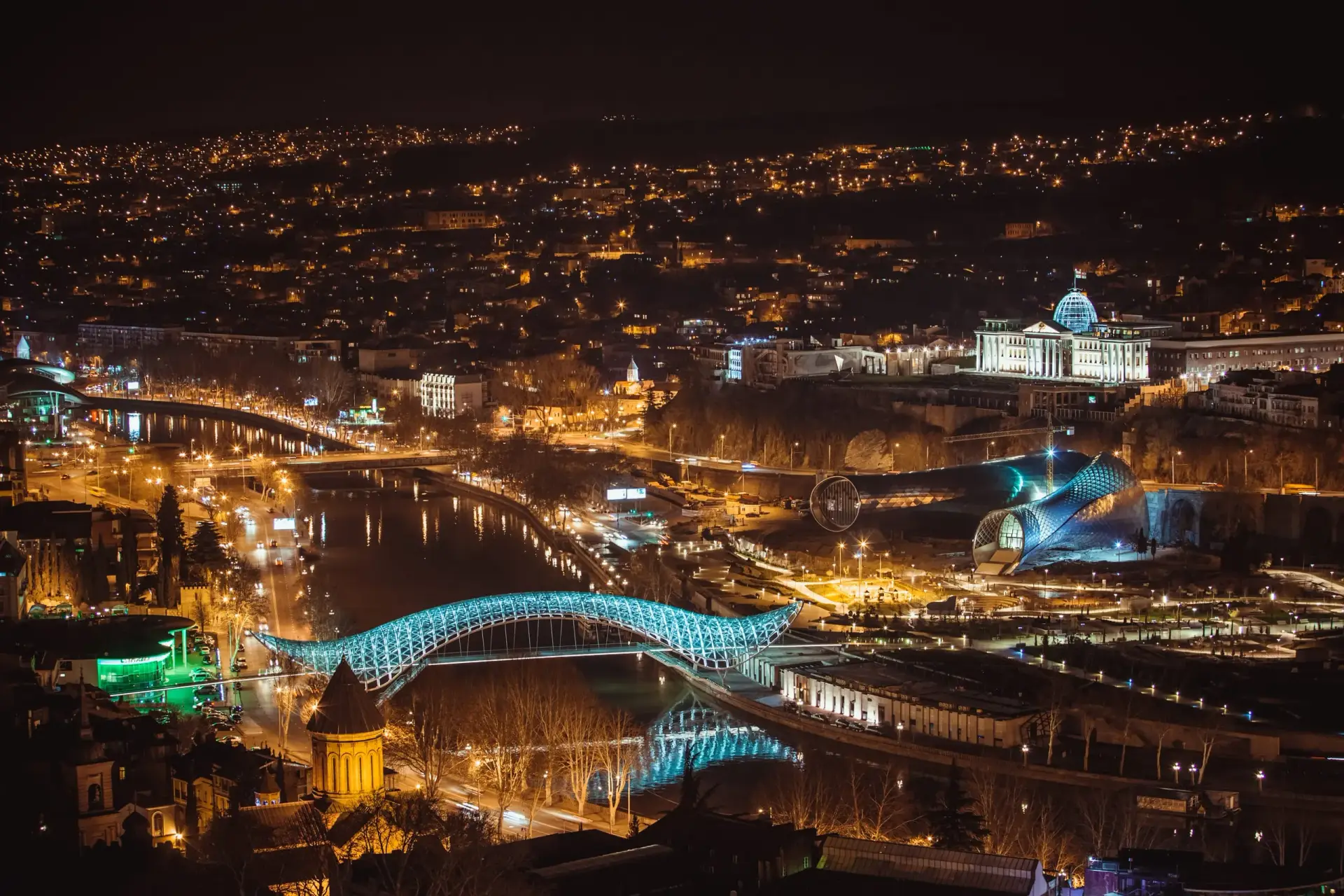
Tbilisi city panorama from Rike Park showing old and new districts
Travel GuideTbilisiCity Guide

Things to Do in Tbilisi: A Local's Honest Guide

E
Explore Georgia Tours Team
Tbilisi-Based Tour Operators
14 min read

Every list of things to do in Tbilisi repeats the same ten stops without telling you what any of them actually cost, which ones deserve an hour, and which deserve five minutes. This is the version we give friends who visit us: real prices, a one-day walking route that works, where to eat khinkali, and the day trips that are worth leaving the city for.

The Best Things to Do in Tbilisi Old Town

Most lists of things to do in Tbilisi start with the Old Town, and for once the internet is right. The difference is how you do it. Tourists walk up to Narikala Fortress in the midday heat, arrive sweaty, and leave in ten minutes. Locals take the cable car up from Rike Park and walk down. Do it that way.

The cable car costs 2.5 GEL (about $1) each way, and you'll need a Metromoney transport card from the ticket window (2 GEL, reusable on the metro and buses). The ride takes two minutes and crosses the Mtkvari River with the whole old city of Tbilisi spread out below you. At the top you get Narikala, a fortress that has stood on this ridge in some form since the 4th century. Entry is free. The walls are partly ruined and there are no barriers in places, so watch your step with kids.

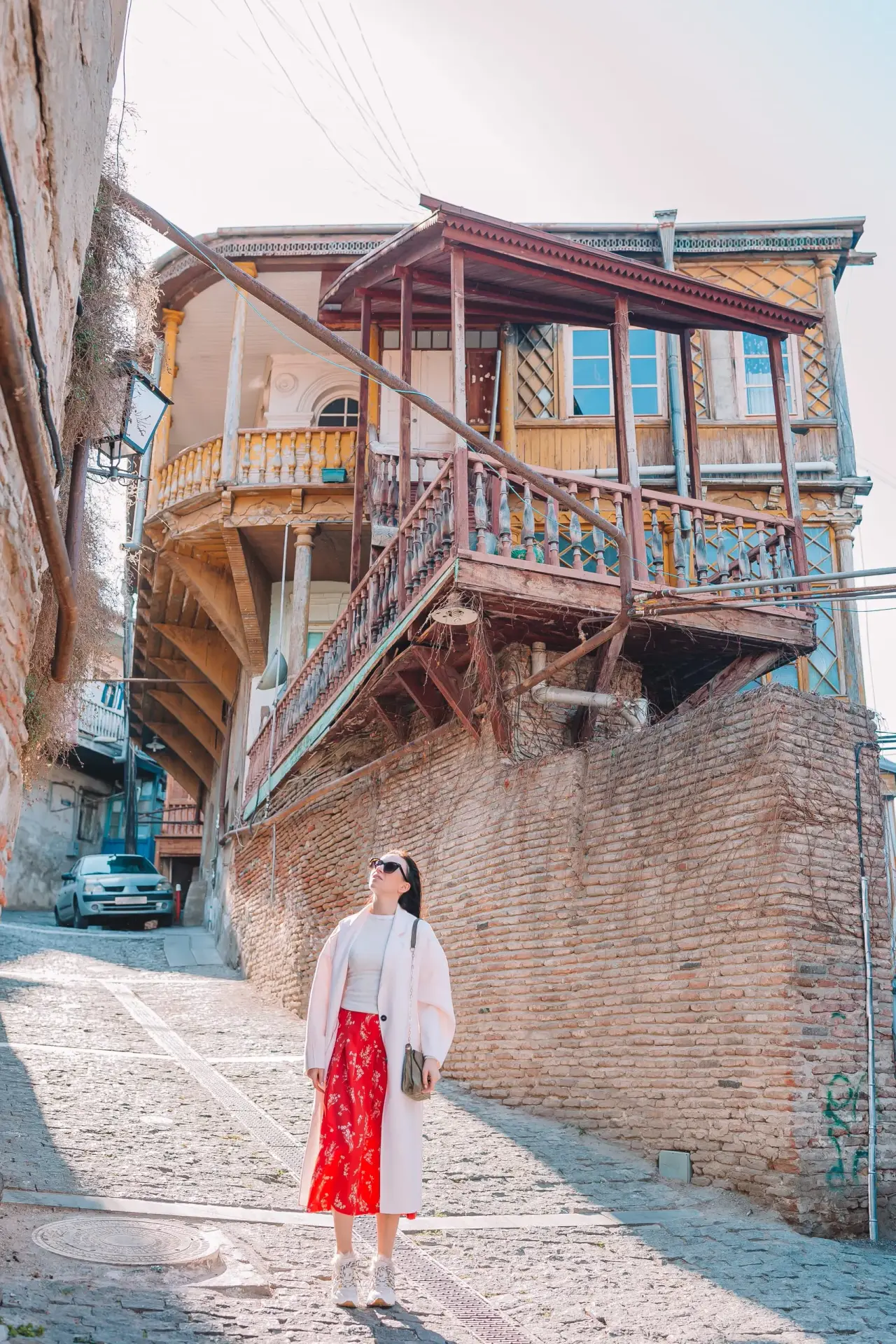
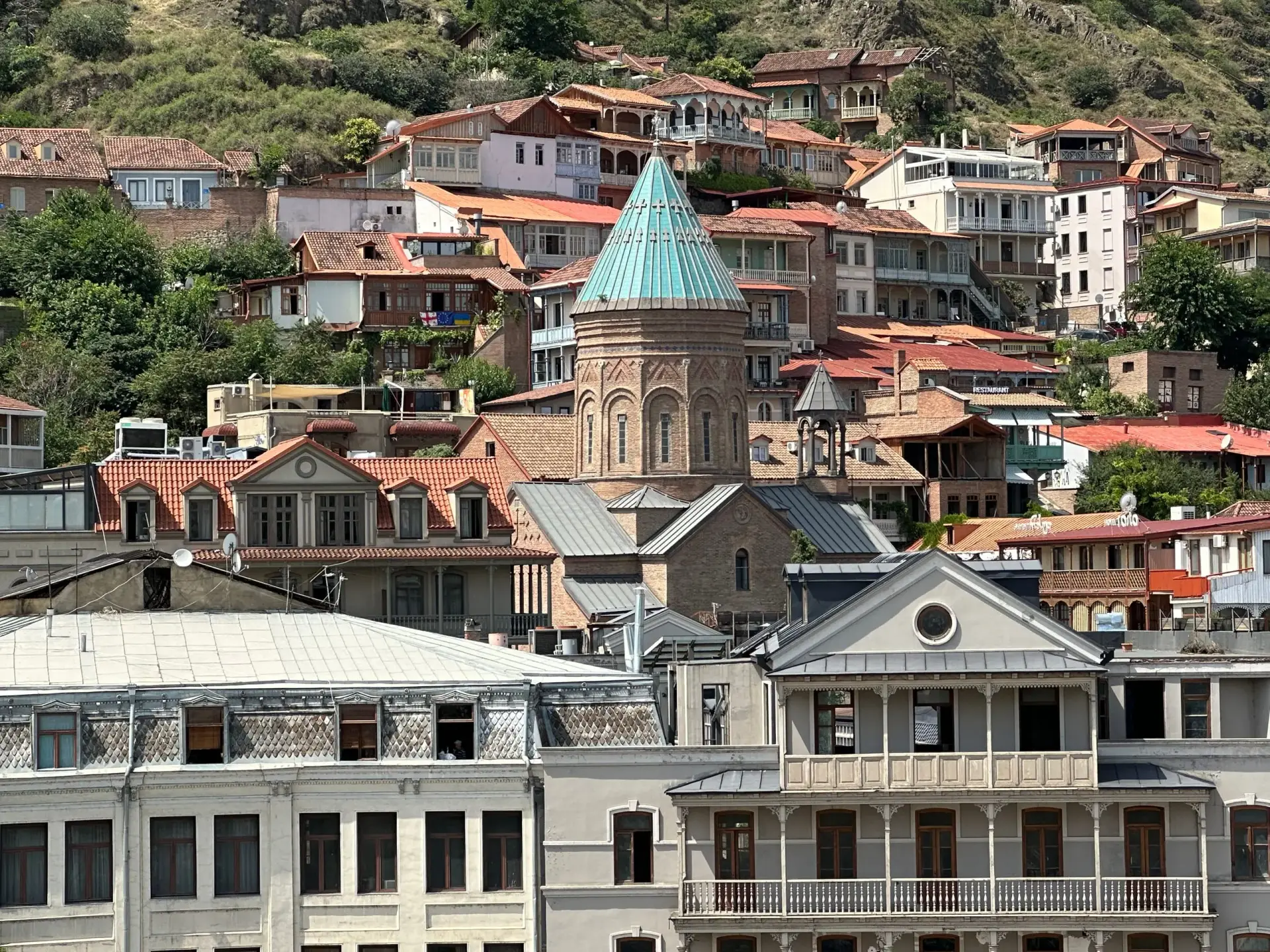
Walk five minutes along the ridge to Kartlis Deda, the 20-meter aluminum Mother of Georgia statue. She holds a bowl of wine for guests and a sword for enemies, which is honestly a fair summary of the national character. Then take the path down through the Betlemi district. This is the part most visitors miss. Crooked wooden balconies, cats on every second doorstep, tiny courtyards where laundry hangs between 200-year-old houses. It looks staged. It isn't, people live here.

The walk down deposits you near Abanotubani and the Leghvtakhevi gorge, where a small waterfall hides about 300 meters behind the bath houses. Yes, a waterfall in the middle of a capital city. The boardwalk to it is free and takes ten minutes.
Tip: Go up on the cable car before 11 AM or after 5 PM. Between those hours in summer the queue at Rike Park can eat 40 minutes of your day, and the ridge has zero shade.

Abanotubani: The Sulfur Baths That Named the City

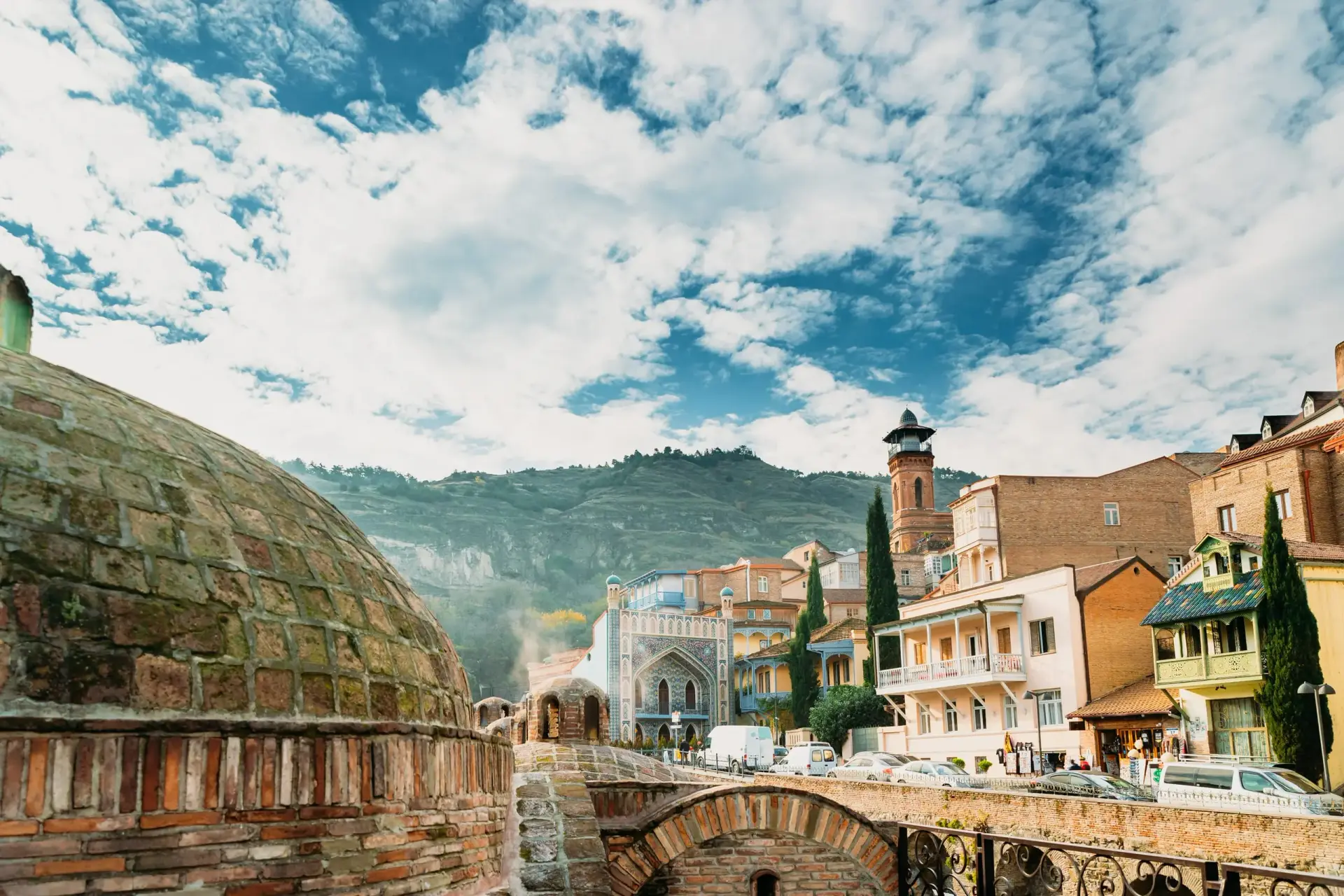
Tbilisi means "warm place" in old Georgian, and the warm sulfur springs under Abanotubani are the reason the city exists at all. The brick domes you see at ground level are the roofs of bath houses that sit below street level, and they've been in continuous use for centuries. Pushkin bathed here and left a rave review. So did Alexandre Dumas.

Tbilisi Sulfur Baths district with traditional domed architecture in Abanotubani

You have two options. The public rooms are the budget route, roughly 10-15 GEL for a shared, gender-separated pool. Cheap, authentic, and not for the shy, because swimwear is often optional to nonexistent. Private rooms are what we book for guests: your own pool, shower, and rest area for 60-200 GEL per hour depending on the bath house and room size, split between however many people you bring. For weekends and evenings, book a day or two ahead. The good rooms at the famous blue-tiled Orbeliani bath house go fast.

Pay extra for the kisi scrub (usually 20-50 GEL). An attendant in a rough mitt removes a layer of skin you didn't know you had, then finishes with a soap-cloud massage. It sounds odd and feels fantastic. One hour in the baths is plenty, and you'll sleep like the dead afterward.

That's the short version. If you want a full breakdown of bath houses, prices, and how a session actually unfolds step by step, our Georgia wellness and spa guide covers the sulfur baths in detail.

Three Churches, Three Very Different Reasons to Go

Tbilisi has more churches than you can reasonably visit, so here's the honest ranking.

Holy Trinity Cathedral (Sameba) is the huge gold-domed cathedral you'll see from everywhere in the city. Finished in 2004, it's one of the largest Orthodox churches in the world, and the scale hits you hardest inside, where the main hall feels like an airport terminal built for angels. Entry is free. It sits in Avlabari, a 20-minute walk or a 5 GEL Bolt ride from the Old Town. Go for the size and the view from the grounds. Skip it only if massive modern churches do nothing for you, because it has none of the worn stone atmosphere of the old ones.

Anchiskhati Basilica is the opposite. Built in the 6th century, it's the oldest surviving church in the city, small and dim and smelling of beeswax candles. If you time it right (usually mornings and during services) you might catch a choir singing Georgian polyphony, which UNESCO lists as intangible cultural heritage and which will put the hair up on your arms. Five minutes from the Bridge of Peace. Ten minutes of your time, and worth every one.

Metekhi Church earns its visit mostly for the location, a 13th-century church on a cliff directly above the river, next to the equestrian statue of King Vakhtang Gorgasali, the city's founder. The terrace gives you the best free photo angle of Abanotubani and Narikala. Come at sunset.

Dress code applies at all three. Covered shoulders and knees, and women need a headscarf inside (bins of loaner scarves sit at every entrance, free). Nobody will chase you out for getting it wrong, but you'll feel the looks.

Mtatsminda Park and the Funicular

The funicular has been hauling people up Mtatsminda mountain since 1905, and it remains the best 8-10 GEL you'll spend in the city (each way, paid with the park's own card, 2 GEL). At the top, 770 meters up, you get Mtatsminda Park: a slightly faded amusement park with a Ferris wheel, a rollercoaster, and the single best panoramic view of Tbilisi, day or night.

Panoramic Tbilisi view from Mtatsminda Park

Our advice: skip most of the rides, get the view, and eat ponchiki. These are hot custard-filled donuts from the Funicular Restaurant complex at the top station, a Tbilisi institution. A plate costs a few lari and locals ride up just for them. Not a rumor, we do it too.

On the way down, stop at the middle station for the Mtatsminda Pantheon, the hillside cemetery where Georgia's writers and national heroes are buried. It's quiet, shaded, and tells you more about what this country values than any museum.

Dry Bridge Market, Fabrika, and the Modern Side

The Dry Bridge flea market runs every day from about 10 AM, weather permitting, though weekends bring the full spread. This is where the Soviet century gets sold off blanket by blanket: medals, daggers, film cameras, china sets, propaganda posters, amber, and the occasional genuinely old carpet. Haggling is expected, in a friendly way. Offer 60-70% of the first price and settle somewhere in the middle. Even if you buy nothing, it's the best free museum in Tbilisi, and the sellers have stories if you ask.

Cross the river to Marjanishvili and you hit Fabrika, a Soviet sewing factory turned hostel-and-courtyard complex covered in murals. The yard fills up from late afternoon with cafes, bars, a bakery, ceramics studios, and a crowd that's half travelers, half Tbilisi students. Is it a bit self-consciously cool? Sure. It's also genuinely fun, and the surrounding Chugureti district has the best concentration of cheap cafes and galleries on the left bank.

While you're on that side of the river, walk the Aghmashenebeli Avenue pedestrian stretch with its restored 19th-century facades. And if you have a spare hour and a Bolt account, the Chronicle of Georgia monument on a hill by the Tbilisi Sea is the strangest sight in the city: 30-meter columns carved with kings and saints, half-finished since the 1980s, with almost no crowds. A ride out there runs about 10-15 GEL.

Where to Actually Eat: Tbilisi Food Without the Tourist Tax

You can eat badly in Tbilisi if you try, mostly on the main tourist drags where laminated picture menus outnumber locals. Walk two streets in any direction and it gets very good, very cheap.

Start with khinkali, the pleated soup dumplings. Order the kalakuri (city-style, with meat and herbs), hold one by the doughy stem, bite a small hole, drink the broth, then eat the rest. Leave the stems on your plate, that's the scoreboard. Nobody uses a knife and fork, and one dumpling costs 1-2 GEL, so a filling meal runs under 15 GEL. For a reliable, zero-frills version, Zakhar Zakharich by the river has been feeding everyone from suits to construction crews for years, and the dough is still made by hand.

Beyond khinkali, the dishes to order at least once:

  • Adjaruli khachapuri: the bread boat filled with molten cheese, butter, and a raw egg you stir in. Split one between two people unless you plan to nap.
  • Badrijani nigvzit: fried eggplant rolls with walnut-garlic paste and pomegranate. The best cold starter in the country.
  • Mtsvadi: pork grilled over grapevine embers. Simple, smoky, correct.
  • Pkhali and lobio: walnut-vegetable pates and clay-pot beans, which quietly make Georgia one of the easiest countries in the region for vegetarians.

For groceries-as-sightseeing, go to Dezerter Bazaar near the main train station. The name comes from deserting soldiers who sold their kit here in the 1920s. Today it's the city's main produce market: towers of churchkhela (walnut-and-grape-juice candy that looks like candles), mountains of spices, wheels of sulguni cheese, and grandmothers who will feed you samples until you surrender. Bring small cash, morning is best, and watch your bag in the crush.

Hungry for the deeper version, including the wine? Our Georgia food and wine guide goes region by region.

Things to Do in Tbilisi at Night

Tbilisi after dark is a different city, and honestly the better one in summer, when daytime heat pushes everyone out at 8 PM instead. The Old Town, Narikala, and the Bridge of Peace are all lit up, and the riverside viewpoints at Metekhi cost nothing.

Tbilisi Old Town illuminated at night with historic streets in Georgia capital

The evening move we recommend most is a wine bar crawl. Georgia has been making wine for 8,000 years, much of it fermented in buried clay qvevri, and the city's wine bars pour hundreds of small-producer bottles you will never see abroad. Vino Underground, a brick cellar run by a collective of natural winemakers, is where that whole scene started back in 2012. 8000 Vintages has the biggest range in town plus sit-down tastings from around 45 GEL per person with a cheese board included. Glasses in most bars run 6-15 GEL. Ask for a dry amber Rkatsiteli and see what happens to your evening.

If you want more than wine, Fabrika's courtyard runs late, and the city's club scene (built around a few famous basement venues) goes until sunrise on weekends. And if you'd rather end the night horizontal, remember that some sulfur bath houses take bookings until midnight. A late soak after a wine crawl is a very Tbilisi way to finish a day.

How Many Days Do You Need in Tbilisi?

Two full days covers the city itself without rushing: one for the Old Town, baths, and churches, one for Mtatsminda, the markets, and the left bank. Three days lets you slow down, add the Chronicle of Georgia, and spend an evening doing nothing but eating.

But here's the thing most first-timers get wrong. Tbilisi is not really a five-day city on its own, it's a base. The mountains, the wine country, and the old capital all sit within day-trip range, so the right plan for most people is 4-5 nights in Tbilisi with 2-3 of those days spent outside it. That's exactly how our 3-day and 7-day tours are built, and the pattern exists because it works.

Tbilisi in One Day: A Walking Route That Works

Only have one day? This route is roughly 6 km of walking and we've tested it on many jet-lagged visitors. Nobody has complained yet, at least not to our faces.

  • 9:00 - Coffee near Liberty Square, then walk down Kote Abkhazi Street into the Old Town as the shops open.
  • 10:00 - Sioni Cathedral, then Anchiskhati Basilica for the 6th-century quiet before the crowds.
  • 11:00 - Cross the Bridge of Peace, wander Rike Park, take the cable car up to Narikala (2.5 GEL).
  • 11:30 - Fortress, Mother of Georgia, then walk down through the Betlemi lanes.
  • 13:00 - Leghvtakhevi waterfall, then a khinkali lunch. Budget 20-30 GEL with a beer.
  • 15:00 - Private room at the sulfur baths, one hour, kisi scrub included. Book this in the morning or the night before.
  • 17:00 - Bolt to Sameba Cathedral for the late-afternoon light, then the Metekhi terrace.
  • 19:00 - Funicular up Mtatsminda for sunset over the whole city, ponchiki in hand.
  • 21:00 - Down again, dinner and an amber wine in a cellar bar. You've earned it.

Total spend, not counting dinner: roughly 100-150 GEL ($37-55) per person, most of it the bath.

Day Trips from Tbilisi Worth Leaving the City For

The best day trips from Tbilisi run in three directions, and they're different enough that picking depends on what you came to Georgia for.

Mtskheta (30 minutes away). The old capital, and the easiest half-day trip in the country. Jvari Monastery sits on a hilltop over the meeting point of two rivers, with Svetitskhoveli Cathedral below, where Georgians believe Christ's robe is buried. Both are UNESCO-listed, and the whole town is walkable in two hours. Our Tbilisi and Mtskheta discovery tour combines it with the capital's highlights in one day, which is the format we suggest if your time is short.

Kazbegi (3 hours each way). The big one. The Georgian Military Highway climbs past Ananuri fortress and the Gudauri ski resort to Stepantsminda, where Gergeti Trinity Church stands at 2,170 meters with Mount Kazbek behind it. It's a long day, roughly 12 hours door to door, and worth every minute when the weather cooperates. Check the forecast for Kazbegi before committing, because the mountain hides in cloud more often than photos admit. The Kazbegi mountains day tour handles the driving, which on that road is a real gift.

Kakheti wine country (1.5-2 hours). Family cellars, qvevri wine straight from the clay, and the hilltop town of Sighnaghi with its city walls and Alazani Valley views. A typical Kakheti wine day trip fits two or three tastings plus a long lunch, and someone else drives, which matters more with every tasting. More on the region itself on our Kakheti page.

With an extra day, Borjomi and its mineral-spring park make a calm fourth option. And if you're stringing several of these together, stop planning piecemeal and read our complete Georgia itinerary guide, then borrow a route that already works.

Frequently Asked Questions

The center is, mostly. Old Town, Rike Park, Liberty Square, and the left bank around Fabrika all connect on foot within 20-30 minutes of each other. The catch is the terrain: Tbilisi is built on hills, and cobbled lanes get steep and slippery. Wear real shoes, not sandals with smooth soles. For anything beyond the center, the metro costs 1 GEL flat and Bolt rides across town rarely pass 10 GEL.
Two full days for the city itself, three if you like a slower pace. Most visitors should plan 4-5 nights and use the extra days for trips to Mtskheta, Kazbegi, or Kakheti, all of which work as day trips from a Tbilisi base.
No. A khinkali lunch costs under 15 GEL ($5-6), a glass of good Georgian wine 6-15 GEL, the cable car 2.5 GEL, and Narikala Fortress is free. The main splurges are private sulfur bath rooms (60-200 GEL per hour, split between your group) and fine dining, which is still cheap by Western European standards.
Bolt is the standard, with Yandex Go as backup. Both show the fare upfront and cost a fraction of what street taxis will quote a visitor. A ride across the center runs 5-10 GEL. Avoid unmetered street taxis at the airport and train station, or agree on a price before getting in.
Yes, once, and probably again before you leave. Book a private room (60-200 GEL per hour for the room, not per person) and add the kisi scrub for 20-50 GEL. One hour is enough. Reserve a day ahead for evenings and weekends, since the popular bath houses in Abanotubani fill up fast.
Covered shoulders and knees for everyone, plus a headscarf for women inside Orthodox churches. Every major church keeps a bin of free loaner scarves and wrap skirts at the door, so you won't be turned away, but dressing right saves the awkward shuffle at the entrance.
For most first-timers, Mtskheta, because it's 30 minutes away and pairs with a city tour in a single day. For scenery, Kazbegi and the Georgian Military Highway win outright, but budget a full 12-hour day. For food and wine, Kakheti with Sighnaghi is the pick. If you only have one free day and the weather is clear, take Kazbegi.
Among younger Georgians and anyone working in tourism, yes. Older generations are more likely to speak Russian as a second language. Menus in the center are almost always translated, Bolt removes the need to explain directions, and learning madloba (thank you) buys a surprising amount of goodwill.
E
Explore Georgia Tours Team
Tbilisi-Based Tour Operators

We live and work in Tbilisi and run tours across Georgia year-round. This guide covers the places we actually send friends and family when they visit, not just the stops that look good in brochures.

Ready to Explore Georgia?

Turn this itinerary into reality with our private guided tours. All tours include local expert guides, comfortable transportation, and customizable schedules.